
5 MIN READ · Updated Oct 26, 2026
What Are the Early Signs That You Need to See a Vascular Surgeon?
Your blood vessels play a vital role in maintaining your overall health. Arteries carry oxygen-rich blood from the heart to the body's tissues...
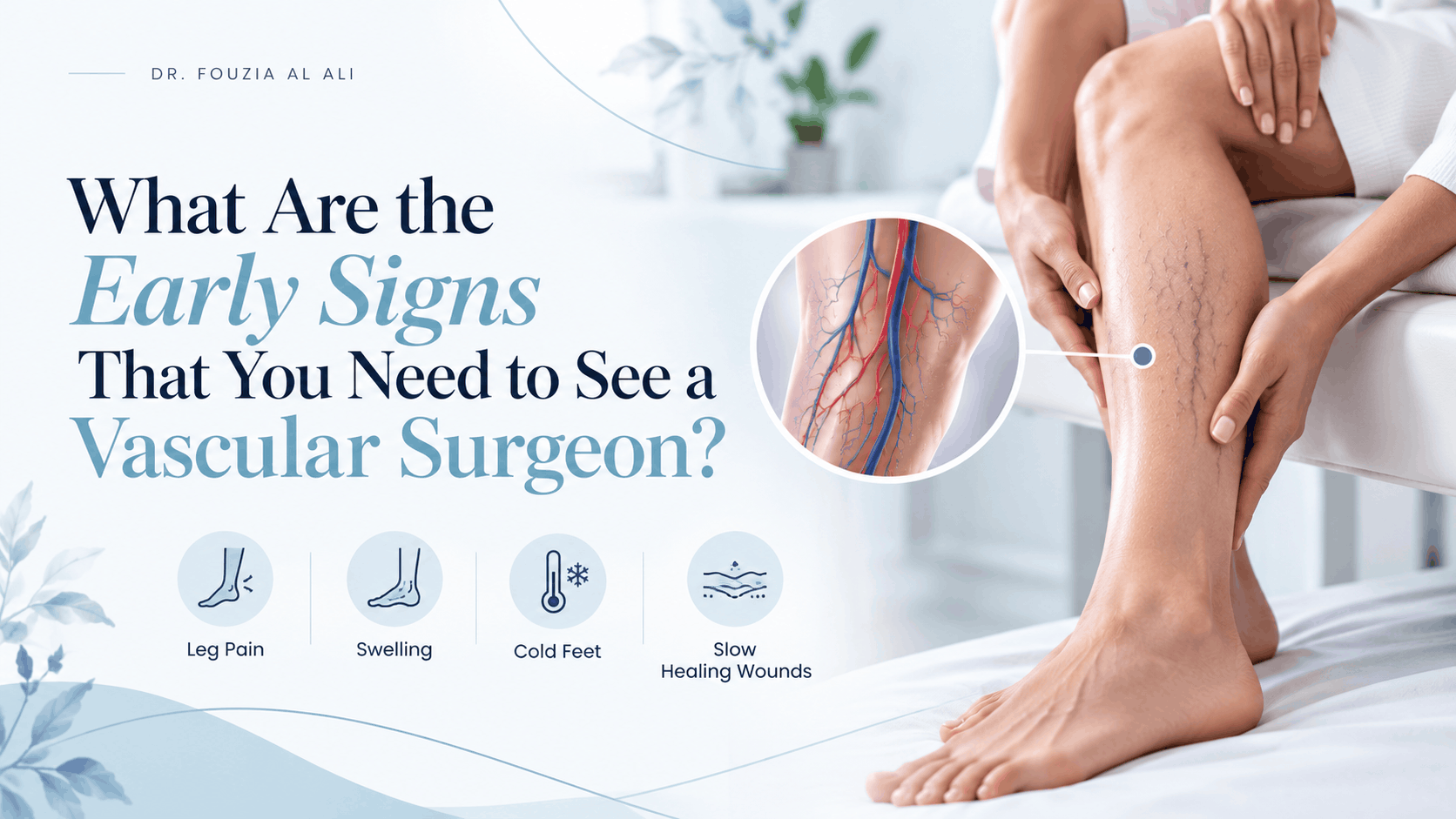
Your blood vessels play a vital role in maintaining your overall health. Arteries carry oxygen-rich blood from the heart to the body's tissues, while veins help return blood to the heart. When these vessels become narrowed, blocked, damaged or enlarged, they can affect circulation and lead to various health problems.
Many vascular conditions develop gradually, and their early symptoms can be easy to overlook. Persistent leg pain, unusual swelling, changes in skin colour, cold feet and wounds that heal slowly may indicate an underlying circulation problem that requires medical assessment.
Recognising the signs you need a vascular surgeon can help you seek appropriate care before a condition progresses. Although some symptoms may result from less serious causes, recurring or unexplained changes in your legs, feet or other areas should not be ignored.
Dr Fouzia Al Ali emphasises the importance of understanding your symptoms, recognising potential warning signs and seeking professional medical advice when necessary. Early assessment can help identify the cause of a problem and determine whether monitoring, medication, lifestyle changes or a specialised vascular procedure may be appropriate.
What Does a Vascular Surgeon Treat?
A vascular surgeon specialises in diagnosing and managing conditions affecting the arteries, veins and lymphatic system. These conditions can interfere with blood circulation, increase the risk of complications or affect the health of the limbs.
Vascular surgeons manage a range of conditions, including peripheral artery disease, varicose veins, deep vein thrombosis, certain aneurysms and other disorders affecting blood vessels. Depending on the diagnosis, treatment may involve medication, lifestyle modifications, minimally invasive endovascular procedures or open surgery.
Seeing a vascular specialist does not automatically mean you need an operation. A consultation helps establish whether your symptoms are related to a vascular condition and which treatment options, if any, are suitable.
10 Early Signs You Need a Vascular Surgeon
1. Leg Pain or Cramping When Walking
One of the important vascular disease symptoms is recurring pain, cramping or aching in the legs during physical activity.
You may notice discomfort in your calves, thighs, hips or buttocks when walking, climbing stairs or exercising. The pain may improve after you stop and rest, only to return when you resume walking.
This pattern is known as intermittent claudication and can be associated with peripheral artery disease (PAD). PAD occurs when narrowed arteries restrict the amount of blood reaching the muscles, particularly during activity when their oxygen requirements increase.
It is easy to attribute recurring leg pain to ageing, muscle fatigue or joint problems. However, persistent symptoms deserve medical assessment, especially if they occur at a predictable walking distance or are becoming more frequent.
If you regularly experience leg pain when walking, consult a healthcare professional to determine whether a circulation problem or another condition may be responsible.
2. Swelling in the Legs, Ankles or Feet
Swelling in the lower limbs can have several causes, including prolonged sitting, certain medications, heart or kidney conditions and problems affecting the veins.
When the valves inside the leg veins do not work efficiently, blood may collect in the lower limbs instead of returning effectively to the heart. This can contribute to chronic venous insufficiency.
Common symptoms may include:
- Swelling around the ankles and feet, particularly towards the end of the day.
- A feeling of heaviness or tiredness in the legs.
- Aching or discomfort after standing for long periods.
- Skin changes around the lower legs.
- Varicose veins accompanying persistent swelling.
Occasional swelling is not necessarily a sign of vascular disease. However, recurrent swelling, particularly when associated with visible veins or skin changes, should be evaluated.
Sudden swelling in one leg, especially when accompanied by pain, warmth or redness, requires urgent medical assessment because it may indicate deep vein thrombosis (DVT), a blood clot in a deep vein.
If you experience sudden breathlessness, chest pain or fainting alongside suspected DVT, seek emergency medical care immediately.
3. Cold Feet or Toes
Feet that consistently feel colder than the rest of your body may indicate a circulation problem, particularly when one foot is noticeably colder than the other.
Reduced arterial blood flow can prevent sufficient oxygen-rich blood from reaching the tissues. You may also notice numbness, discomfort, unusual skin colour or a difference in temperature between your feet.
Cold feet alone do not confirm vascular disease. Environmental temperatures, nerve conditions and other medical issues can also cause this sensation.
However, persistent coldness accompanied by leg pain, weak foot pulses, slow-healing wounds or changes in skin colour should be investigated.
Important: A foot or leg that suddenly becomes cold, pale or blue, painful, numb or difficult to move may indicate an acute loss of blood supply. This is a medical emergency. Seek emergency care immediately rather than waiting for a routine appointment.
4. Wounds That Heal Slowly or Do Not Heal
A cut, blister or ulcer on your foot or lower leg that takes unusually long to heal can be an important warning sign.
Healing depends on an adequate supply of oxygen and nutrients through the bloodstream. When circulation is impaired, the body may struggle to repair damaged tissue effectively.
Poor circulation can be particularly concerning for people with diabetes, peripheral artery disease or a history of smoking.
Watch for wounds that:
- Remain open despite appropriate wound care.
- Repeatedly reopen or become larger.
- Develop increasing redness, swelling or discharge.
- Appear on the toes, feet or lower legs without an obvious explanation.
- Are accompanied by coldness, pain or changes in skin colour.
Non-healing wounds can also result from venous disease, infection, pressure injuries and other conditions. A clinical examination is necessary to identify the underlying cause.
Do not wait for a wound to become severely painful before seeking help. Some people, particularly those with diabetes-related nerve damage, may have reduced sensation and may not recognise the severity of an injury.
5. Varicose Veins With Pain or Skin Changes
Varicose veins are enlarged, twisted veins that commonly appear in the legs. They develop when blood pools in the veins, often because the valves that help maintain one-way blood flow are not functioning properly.
Although some varicose veins cause no discomfort, others may produce symptoms that affect daily activities.
Possible warning signs include:
- Aching, throbbing or heaviness in the legs.
- Swelling that becomes more noticeable after standing.
- Itching or irritation around affected veins.
- Skin discolouration near the ankles.
- Hardening or inflammation around a vein.
- Recurrent bleeding or ulcers near the ankle.
These symptoms may indicate chronic venous insufficiency or complications associated with varicose veins.
A vascular specialist can assess the severity of the condition and determine whether conservative measures, such as appropriate movement and compression therapy, or a vein procedure may be suitable.
Compression treatment is not appropriate for everyone, particularly people with significant arterial circulation problems. Seek clinical advice before starting compression therapy if you have suspected poor circulation.
6. Changes in Skin Colour or Texture
Changes in the appearance of your legs and feet may provide clues about your circulation.
When blood flow is reduced, the skin may appear unusually pale or bluish. Some people develop smooth, shiny skin, reduced hair growth on the lower legs or toenails that grow slowly.
Venous problems can produce a different pattern of changes, including brownish discolouration around the ankles, skin irritation, thickening or eczema-like patches.
These changes may develop gradually and can be overlooked because they are not always painful.
Pay attention to changes that are new, persistent or occurring alongside other vascular disease symptoms. Skin discolouration, particularly around a non-healing wound, warrants medical evaluation.
A sudden change to a pale, blue or dark appearance, especially with severe pain, coldness or numbness, requires urgent assessment because it may indicate a serious circulation problem.
7. Pain in the Feet or Legs at Rest
Pain that occurs even when you are sitting or lying down can be more concerning than discomfort that develops only during activity.
In advanced peripheral artery disease, blood flow may become so restricted that the tissues do not receive sufficient oxygen even at rest. This can cause persistent aching, burning or pain in the feet and toes, sometimes becoming worse at night.
Some people find that lowering their feet over the side of the bed temporarily changes the discomfort. This does not establish a diagnosis, but persistent rest pain should be assessed promptly.
Rest pain may have other causes, including nerve damage, arthritis or musculoskeletal conditions. A healthcare professional can help distinguish between these possibilities.
Seek urgent medical advice if pain at rest is persistent or worsening, particularly if it occurs with non-healing sores, cold feet or skin colour changes.
8. Numbness, Tingling or Weakness in the Legs
Numbness, tingling and weakness can arise from nerve compression, diabetes, spinal problems and several other conditions. However, these symptoms can also accompany impaired circulation.
When blood flow to the lower limbs is reduced, you may notice unusual sensations, difficulty walking comfortably or weakness during physical activity.
The pattern and timing of symptoms are important. For example, leg discomfort that repeatedly develops during walking and improves with rest may suggest an arterial circulation problem.
Sudden numbness or weakness affecting one side of the body, especially when accompanied by facial drooping, difficulty speaking, confusion or vision changes, may indicate a stroke. Seek emergency medical attention immediately.
Similarly, sudden numbness or weakness in a cold, pale and painful limb can indicate an acute vascular emergency.
Do not assume that persistent or unexplained symptoms are simply part of ageing. Arrange an assessment to identify their cause.
9. One Leg Is Noticeably Different From the Other
A noticeable difference between your legs can sometimes indicate a vascular problem.
For example, one leg may be more swollen, one foot may feel colder, or the skin on one side may appear paler or more discoloured than the other.
These differences can arise from several conditions, including venous obstruction, a blood clot or reduced arterial blood flow.
The speed at which the change develops is particularly important. Gradual differences may require a scheduled clinical evaluation, while sudden changes can indicate an urgent problem.
Sudden swelling in one leg may suggest DVT. A suddenly cold, pale, painful or numb leg may indicate an interruption of arterial blood flow.
If you notice an unexplained difference between your legs, especially if it is new or worsening, seek medical advice rather than relying on home remedies.
10. You Have Risk Factors for Vascular Disease
Not everyone with a vascular condition experiences obvious symptoms in its early stages. This is why risk factors are important when deciding when to see a vascular surgeon or another appropriate healthcare professional.
Your risk may be higher if you have:
- Diabetes.
- High blood pressure.
- High cholesterol.
- A history of smoking.
- Established cardiovascular disease.
- A family history of certain vascular conditions.
- Increasing age, particularly alongside other risk factors.
These factors do not mean you definitely have vascular disease. However, they may make assessment and preventive care particularly important.
People with diabetes should pay close attention to foot health because poor circulation and reduced sensation can increase the risk of wounds and complications.
If you have several risk factors, discuss your vascular health with your doctor, even if you have not noticed significant symptoms. Your doctor can determine whether further examination or testing is appropriate.
When Should You See a Vascular Surgeon?
Understanding when to see a vascular surgeon can help you avoid unnecessary delays in diagnosis and treatment.
Consider arranging a medical assessment if you have recurring leg pain while walking, persistent swelling, symptomatic varicose veins, unexplained skin changes, slow-healing wounds or symptoms suggesting poor circulation.
A referral to a vascular specialist may be appropriate when your doctor suspects arterial disease, venous insufficiency, an aneurysm or another condition affecting your blood vessels.
However, some symptoms should not wait for a routine appointment.
Seek emergency medical care if you experience:
- Sudden, severe pain in an arm or leg.
- A limb that suddenly becomes cold, pale, blue or numb.
- Sudden weakness or inability to move a limb.
- Possible stroke symptoms, such as facial drooping, speech difficulty or sudden one-sided weakness.
- Chest pain, sudden breathlessness or collapse when a blood clot is suspected.
- Sudden severe abdominal or back pain accompanied by fainting or collapse.
These symptoms may indicate a life-threatening emergency. Do not delay care to arrange a specialist consultation.
How Is Vascular Disease Diagnosed?
The diagnostic process depends on your symptoms, medical history and suspected condition. A vascular specialist may begin by asking when your symptoms started, what makes them better or worse, and whether you have risk factors such as diabetes, smoking or high blood pressure.
The examination may include checking skin temperature and colour, looking for wounds or swelling, and assessing pulses in the affected limbs.
Depending on the findings, further investigations may include:
Ankle-brachial index (ABI): This test compares blood pressure measured at the ankle with blood pressure measured at the arm. It can help identify reduced arterial circulation in the legs.
Duplex ultrasound: This non-invasive scan uses sound waves to assess blood flow and examine the structure of blood vessels. It is commonly used to investigate conditions affecting arteries and veins.
CT angiography or MR angiography: These imaging tests may be recommended when more detailed information about blood vessels is required.
Other blood tests or investigations: Blood tests may help assess associated risk factors, such as cholesterol levels and blood glucose, while additional tests depend on the suspected condition.
Not every patient needs every test. Your healthcare professional will recommend investigations based on the clinical findings.
What Treatment Options May Be Available?
Treatment for vascular disease depends on the specific diagnosis, the severity of the condition and your overall health.
Some people benefit from risk-factor management, regular physical activity tailored to their condition, smoking cessation and medication. Others may require specialist procedures to improve blood flow or treat diseased blood vessels.
For example, treatment for peripheral artery disease may include supervised exercise, medication and, in selected cases, angioplasty or bypass surgery. Venous conditions may be managed with lifestyle measures, compression when appropriate, or minimally invasive vein treatments.
An aneurysm may require monitoring or an intervention depending on its size, location, growth and associated risks.
The goal is to select the most appropriate treatment rather than assume surgery is always necessary. Early assessment can help establish a treatment plan suited to the individual patient.
Do not start, stop or change prescribed medication without discussing it with your healthcare professional.
How Can You Support Your Vascular Health?
Healthy habits can help reduce some risk factors associated with vascular disease, although they cannot eliminate every cause.
Avoid smoking and seek support to stop if needed. Keep blood pressure, cholesterol and blood glucose under appropriate medical supervision. Stay physically active within your abilities and follow medical advice about exercise if you have leg pain or diagnosed vascular disease.
Inspect your feet regularly, especially if you have diabetes or reduced sensation. Wear suitable footwear, avoid walking barefoot if you are at risk of foot injury, and seek advice about wounds that do not heal.
Maintain follow-up appointments if you have an established vascular condition. Monitoring can help your healthcare professional recognise changes and adjust your treatment when necessary.
These measures support vascular health but should not replace assessment when concerning symptoms develop.
Conclusion
Recognising the signs you need a vascular surgeon is an important step towards protecting your circulation and overall health. Recurrent leg pain when walking, persistent swelling, cold feet, skin discolouration, painful varicose veins and wounds that heal slowly may indicate an underlying vascular condition.
Although these symptoms can have several causes, persistent or unexplained changes deserve medical attention. Sudden severe pain, a cold or discoloured limb, stroke symptoms or signs of a serious blood clot require emergency care.
Dr Fouzia Al Ali encourages patients to take changes in their vascular health seriously and seek appropriate professional guidance. A timely assessment can help clarify the cause of symptoms and determine whether monitoring, medical management or specialist treatment is needed.
If you have concerns about your circulation, speak with a qualified healthcare professional to discuss your symptoms and the next appropriate steps.

Consultant family physician in Dubai who practises functional medicine, Calm Mind Sessions and aesthetic medicine. She l…
FAQs
1. What are the most common signs you need a vascular surgeon?
Common warning signs include recurring leg pain while walking, persistent leg swelling, cold feet, skin colour changes, symptomatic varicose veins, numbness and wounds that do not heal. These symptoms do not always indicate vascular disease, but they should be assessed if persistent or unexplained.
2. When should I see a vascular surgeon for leg pain?
You should seek medical assessment if leg pain repeatedly develops during walking, limits your usual activities or occurs alongside cold feet, skin changes or non-healing wounds. Sudden severe pain or a cold, pale and numb limb requires emergency care.
3. Can vascular disease occur without symptoms?
Yes. Some vascular conditions, including peripheral artery disease, may cause few noticeable symptoms in the early stages. People with risk factors such as diabetes, smoking, high blood pressure or established cardiovascular disease should discuss appropriate assessment with their healthcare professional.
4. Are cold feet always a sign of poor circulation?
No. Cold feet can result from environmental temperatures, nerve conditions and other causes. However, persistent coldness, especially when one foot is colder than the other or accompanied by pain, numbness or skin colour changes, warrants medical assessment.
5. Do varicose veins require a vascular specialist?
Not every case requires specialist treatment. However, painful varicose veins, persistent swelling, skin changes, bleeding or ulcers may warrant assessment by a vascular specialist to determine the severity of the condition and suitable management options.
6. Can diabetes increase the risk of vascular problems?
Yes. Diabetes can increase the risk of peripheral artery disease and other circulation problems. It can also damage nerves, reducing sensation in the feet. Regular foot checks and prompt assessment of wounds are particularly important for people with diabetes.
7. What tests does a vascular specialist perform?
Depending on your symptoms, testing may include a physical examination, ankle-brachial index, duplex ultrasound and, when necessary, CT or MR angiography. The appropriate tests depend on the suspected vascular condition.
8. Does seeing a vascular surgeon mean I need surgery?
No. Many vascular conditions can initially be managed with lifestyle changes, monitoring or medication. Minimally invasive procedures or open surgery may be considered when clinically appropriate, depending on the diagnosis and severity.
9. Are non-healing foot wounds a vascular emergency?
Non-healing wounds require prompt medical assessment because poor circulation, infection, diabetes and other conditions can delay healing. If a wound is accompanied by spreading redness, fever, severe pain or a suddenly cold or discoloured foot, seek urgent or emergency care as appropriate.
10. Can vascular disease be prevented?
Not all vascular conditions can be prevented, but managing blood pressure, cholesterol and diabetes, avoiding smoking, staying physically active and following medical advice can reduce certain risk factors. Early assessment is important if symptoms or risk factors suggest a circulation problem.